

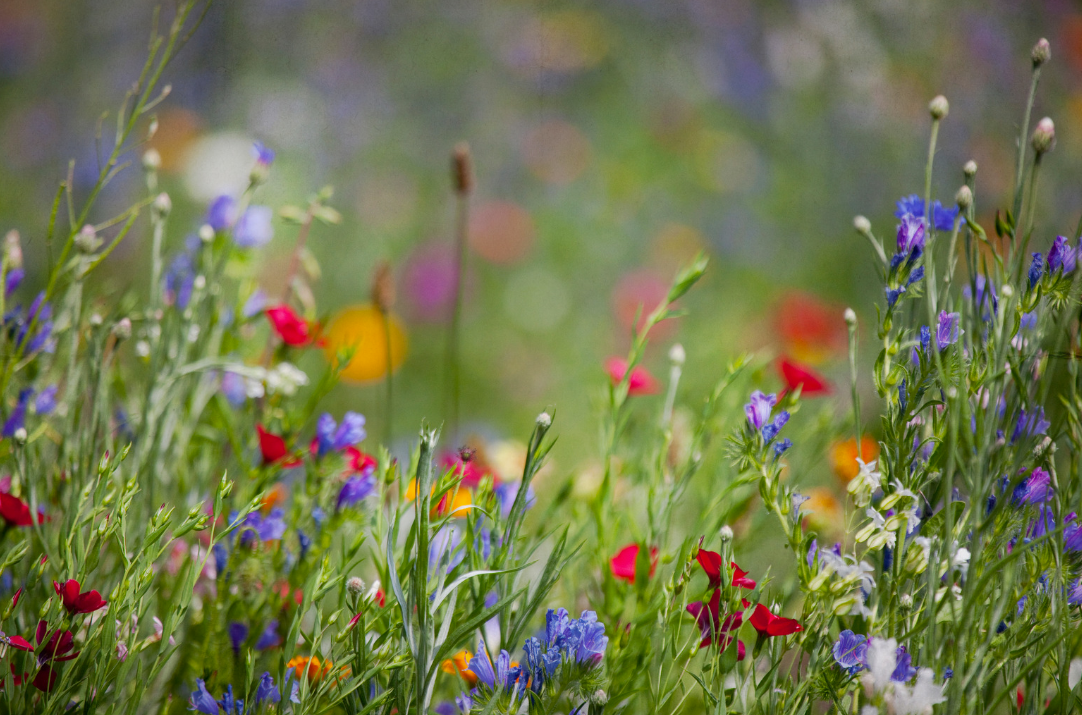
Flowers may remind you of a person, occasion or place. Their meaning depends on context, personal experience and a specific tradition—not a universal code. A dark flower does not predict trouble, and a bouquet cannot reveal what someone secretly feels.
Let the giver or recipient explain
“These reminded me of our garden” communicates more clearly than assuming a flower has one meaning everyone knows. Ask about allergies, scent preferences and whether flowers are welcome.
Wildflowers and garden flowers are not interchangeable
The original guide mixed flowers found in the wild with commonly cultivated bouquet flowers. Treat this as a symbolism guide, not a field-identification resource. A familiar common name is not enough to identify a plant safely.
Optional flower-inspired prompts
- Rose: What would I like to express with care and consent?
- Daisy: What simple pleasure have I overlooked?
- Sunflower: What deserves my attention today?
- Tulip: What small beginning would I welcome?
- Lupine: What could I approach patiently?
- Dahlia: Where would I enjoy a creative change?
- Peony: Which connection would I like to appreciate?
- Violet: What quiet detail is worth noticing?
These are suggested questions, not claims that a flower produces a psychological or supernatural effect. Choose another association if it fits you better.
Keep plant safety separate from meaning
Do not make tea, oils or remedies from an unfamiliar flower. A plant’s spiritual association does not establish that it is edible or safe around children and pets. Ask a qualified source about the actual species and intended use.
Flowers by a bed are not a treatment for insomnia or proof of enhanced intuition. If scent or pollen bothers you, use a photograph, drawing or another reminder instead.
Respect the place where flowers grow
Observe or photograph rather than assuming you may pick a plant. Follow local rules and landowner permission. A purchased bouquet or personal drawing can convey meaning without removing wild plants.
Remembering someone
Choose a flower linked with a genuine memory and write a few words about it. The activity can have personal value without being a message from the person who died or a required way to grieve.
Common questions
Do colors have fixed meanings?
No universal rule applies. Associations vary; ask rather than assuming.
Does a wilting flower mean bad luck?
No. Consider ordinary conditions and care needs, not an omen.
Must I use the “right” flower?
No. Your words and the recipient’s preferences matter more than a symbolic checklist.
The article effectively connects the beauty of wildflowers with their deeper meanings and uses, such as in medicine and spiritual practices. This adds a layer of appreciation for their presence in our environment.
Understanding the meanings behind different flowers can enhance our interactions with them, whether in celebration, remembrance, or daily life. The cultural context provided here is quite valuable.
I appreciate the detailed explanations of each flower’s symbolism. It brings to light the cultural and spiritual significance that flowers hold, beyond their aesthetic appeal.
The article’s breakdown of each flower’s meaning is quite enlightening, especially when considering how these meanings can vary across different cultures.
I agree. It’s fascinating to see how cultural interpretations can shape our understanding of something as universal as flowers. It adds depth to what might otherwise be taken for granted.
The article provides a comprehensive overview of the symbolic meanings associated with different flowers, which can vary widely across cultures. It’s interesting to see how flowers like roses and water lilies hold such distinct yet profound implications.