

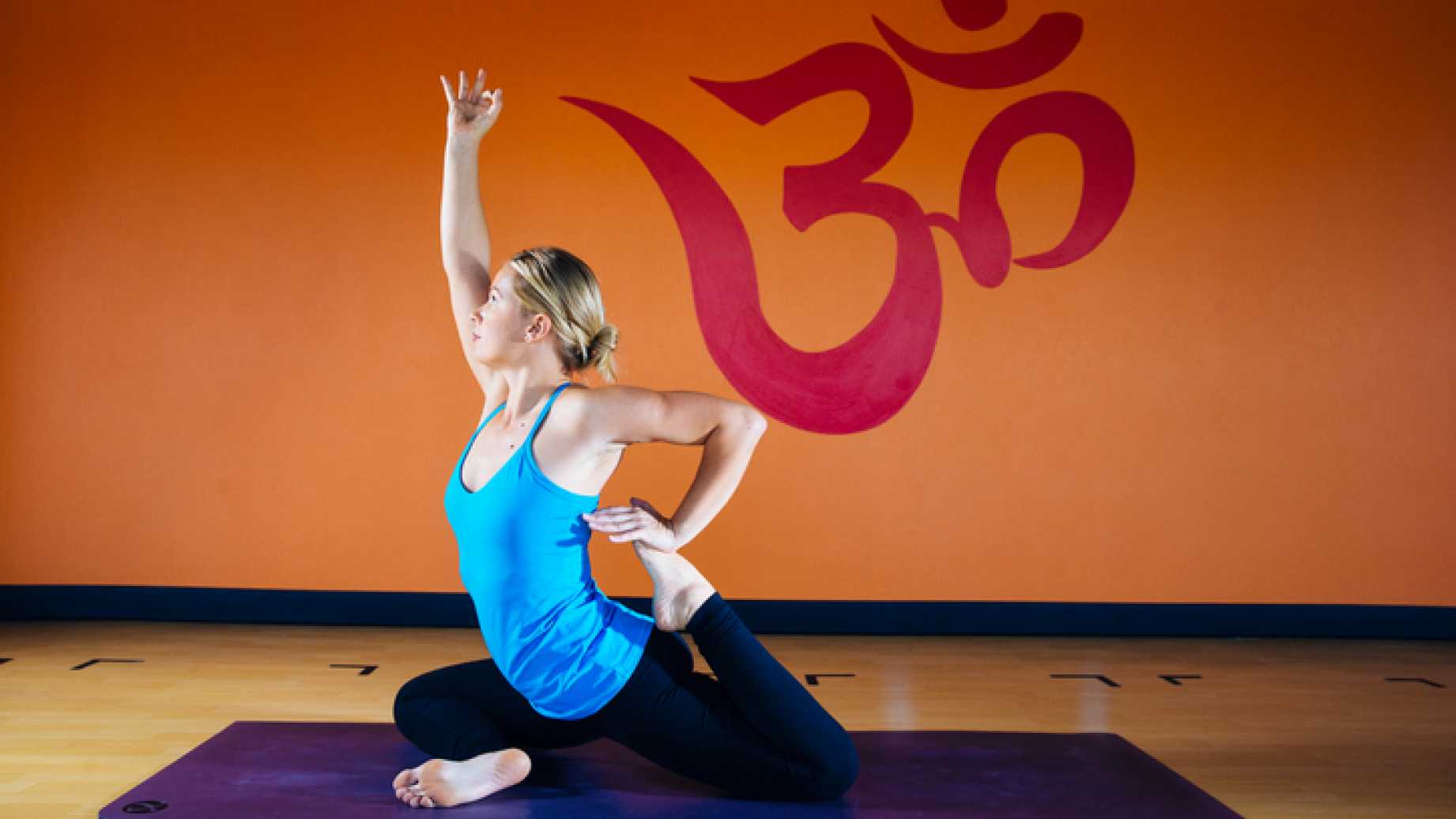
A movement routine can feel meaningful because you give it attention and a place in your day. If you call it a ritual, let that describe your personal experience—not a requirement to perform harder exercise, prove spiritual progress or reach a particular body shape.
A ritual may stay small
Consistency need not mean identical performance every day. Gentle movement, an adapted activity or choosing to rest can fit your circumstances. More repetitions and heavier weights are not measures of spiritual worth.
Choose an activity that fits you
Walking, dancing, an adapted seated activity or an established exercise routine may be options. You do not need a gym membership or ceremonial clothing. The U.S. Move Your Way campaign encourages starting with what you can do and building gradually; short amounts of activity can count.
If you have health concerns, an injury or uncertainty about what is appropriate, ask a qualified health professional for guidance. A spiritual adviser is not a substitute for exercise or medical expertise.
Build a simple beginning and ending
- Prepare: choose a suitable space and equipment for the activity.
- Set a modest intention: for example, “I want to notice how this feels,” rather than “I must cleanse my energy.”
- Move with attention: follow the actual task and your surroundings.
- Finish: notice what was comfortable and what needs adjusting next time.
Stay present where safety matters
Do not close your eyes, become absorbed in visualization or follow breath-holding rituals while operating exercise equipment, swimming or moving near traffic. Pool safety and ordinary awareness come before spiritual imagery. Water spirits are a belief, not protection from drowning.
Music or reflection is optional. Choose settings that do not prevent you from hearing important instructions or noticing hazards. Stop rather than pushing through pain or feeling unwell; seek appropriate help for concerning symptoms.
Keep body gratitude flexible
You do not have to feel grateful for every sensation or love your body to participate. A neutral approach may fit better: “This is what is manageable today.” Disability, illness and fatigue are not signs of deficient energy or commitment.
Group activities and consent
Joining a class does not mean agreeing to spiritual interpretations, touch or personal disclosure. Ask about the format before attending. You can enjoy a shared activity without accepting claims about healing energy.
Common questions
Must the routine become harder over time?
No. Adapt your activity to your needs and relevant guidance. A ritual’s meaning does not depend on increasing intensity.
Can exercise replace meditation?
You can choose the activity you prefer for personal reflection. Neither choice guarantees a specific mental state or replaces needed care.
What if I miss a day?
You have not broken a spiritual contract. Resume, change the plan or rest according to your circumstances.
Viewing exercise as a journey towards self-improvement and spiritual connection can make the process more rewarding. This approach can help people appreciate their own progress and capabilities.
The concept of exercise as a form of ritual makes a lot of sense. It adds a layer of mindfulness to the routine which can enhance both the physical and mental benefits.
I agree. Mindfulness can significantly improve the quality of your workout and make it more meaningful.
Using exercise as a way to connect with the spiritual side is an interesting approach. It could also serve as a strong motivator for those who find traditional exercise routines monotonous.
Indeed, the spiritual aspect could make the exercise more engaging and fulfilling.
Absolutely, it provides a deeper purpose to the routine, making it more than just a physical activity.
The idea of combining physical exercise with ritualistic elements is fascinating. It suggests a holistic approach to well-being, incorporating both physical and spiritual aspects.
It is intriguing to see how traditional forms of exercise like yoga and pilates are integrated into this ritualistic practice. This reinforces the connection between mind and body.
Yoga and pilates have always emphasized this connection, and it is interesting to see it extended to other forms of exercise.