

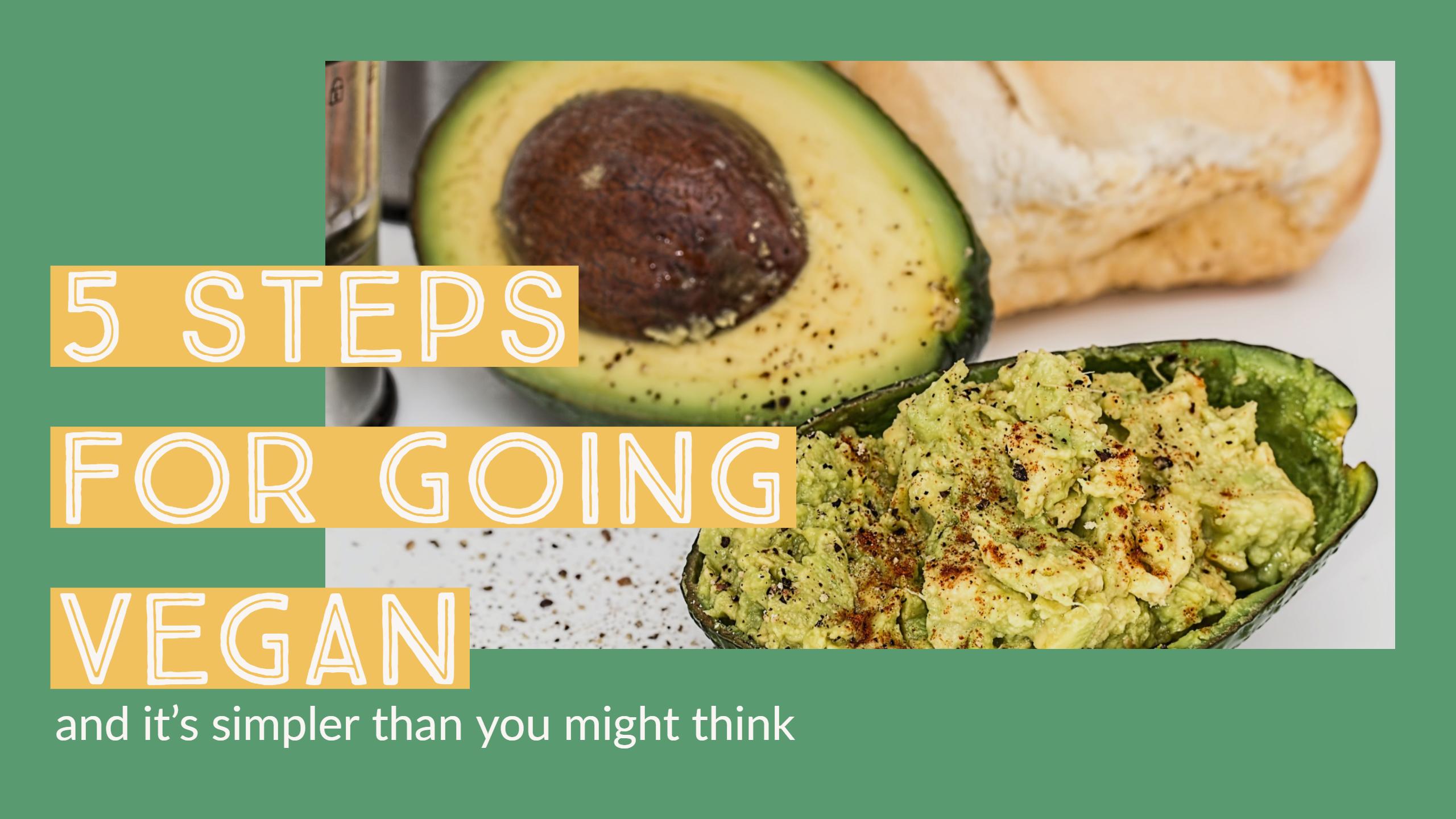
A vegan diet excludes animal-derived foods, including meat, dairy and eggs. If you want to try it, start with a realistic food plan and appropriate nutrition advice rather than a promise that the change will automatically make you healthier.
1. Plan the nutrients, not just the exclusions
The NHS vegan-diet guide emphasizes variety, balanced meals and attention to nutrients that can be harder to obtain. These include vitamin B12, vitamin D, iodine, selenium, calcium and iron. Fortified foods and appropriate supplements can be important.
Do not assume that every plant drink or nutritional yeast supplies the same nutrients. Check the label. Ask a registered dietitian or healthcare professional about your circumstances, especially during pregnancy, breastfeeding, childhood or when managing a health condition. This article is not an individualized supplement plan.
2. Choose a few meals you can actually make
Start with familiar foods and practical combinations. Examples might include bean chili with rice, a lentil-based pasta sauce or a tofu dish with vegetables and a grain. These are meal ideas, not a complete nutritional prescription.
Write a short shopping list and consider preparation time, storage and cost. A manageable routine is more useful than buying unfamiliar ingredients that you will not use.
3. Keep preferences and medical concerns separate
You might be motivated by animal welfare, environmental concerns or personal preference. Those reasons do not establish that a vegan product is suitable for an allergy, intolerance or medical condition. Check ingredients and seek appropriate advice instead of treating “plant-based” as a safety guarantee.
There is no need to describe a change as a detox or regard previous food choices as a moral failure. You can consider what is feasible without making promises about weight or recovery.
4. Find support without pressure
A recipe group or a friend who cooks similar food may help with practical ideas. Look for communities that respect differences in budget, culture and health needs. Be cautious of advice that discourages qualified nutrition support or insists that supplements and treatment are signs of failure.
5. Plan for meals away from home
Check menus or ask ahead about ingredients. When visiting someone, offer to bring a dish if that suits everyone. You can explain your preference calmly without accepting teasing or turning a meal into an argument.
Your next step
Choose one practical action: review fortified-food labels, plan two meals or arrange nutrition advice. A thoughtful start accounts for your actual needs—not just a lifestyle label.
The advice on being proactive when dining out is valuable. It’s always wise to check menus beforehand to ensure there are suitable vegan options available.
The article provides a comprehensive guide for those considering veganism. Emphasizing the need for education and community support is crucial.
The mention of community support is very practical. Whether through online groups or local meet-ups, having a support network can be incredibly beneficial.
I appreciate the focus on the mental preparation required before adopting a vegan lifestyle. Knowing one’s reasons can indeed help in maintaining this significant dietary change.
It’s important to highlight the importance of discovering new comfort foods. This can make the transition smoother and more enjoyable for new vegans.