

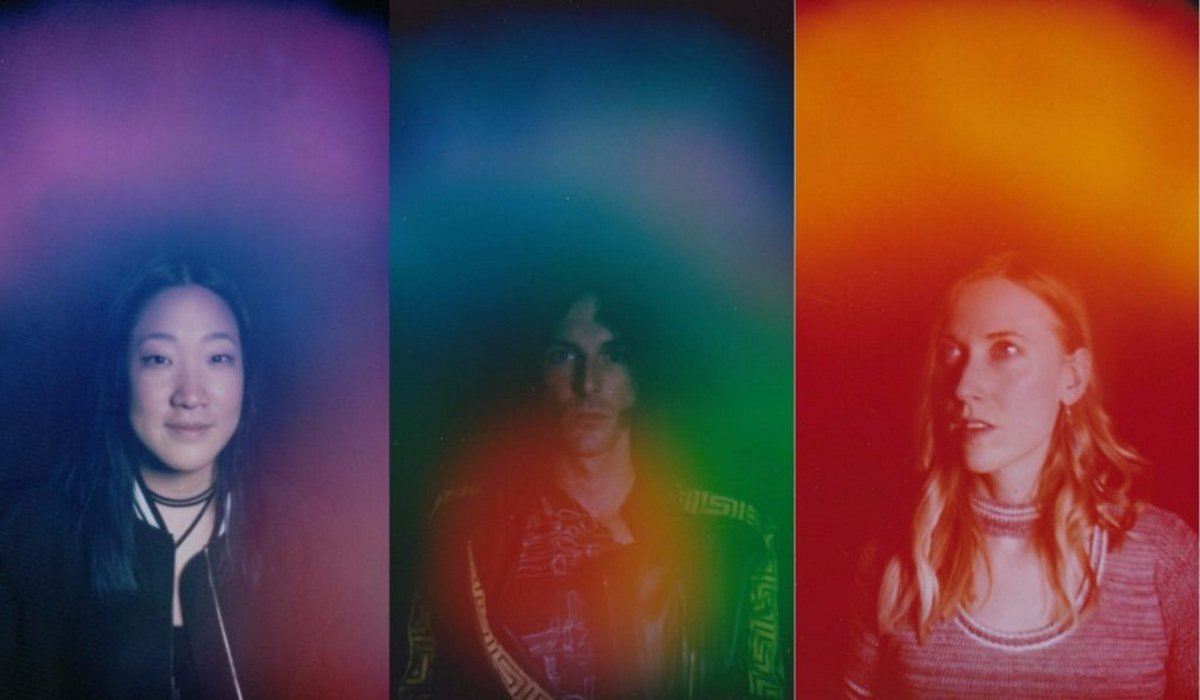
Aura readings interpret a supposed energy field or colors around a person. They cannot reliably establish a soulmate, diagnose illness or tell you whether someone is honest.
You can explore color symbolism without making it a verdict about another person’s personality or the relationship you should choose.
What color cannot tell you
Health
A bright or cloudy color does not establish physical or mental health. Qualified assessment matters.
Honesty
An aura impression is not evidence that someone is lying or trustworthy.
Compatibility
A color pairing does not reveal another person’s preferences or guarantee a future together.
Use symbolism for your own questions
If colors appeal to you, use them as prompts you choose: blue might remind you to ask how you communicate, green how you balance independence and support, or purple what beliefs matter to you. These are proposed reflection prompts, not universal meanings or personality diagnoses.
No one has to accept a color assigned by a reader. Do not infer that a stranger wants contact because you believe their aura matches yours.
Check the actual relationship
- Ask about intentions when communication is welcome.
- Observe respect for boundaries over time.
- Discuss practical expectations and differences.
- Keep privacy and independent sources of support.
- Take threats or controlling behavior seriously, regardless of a reading.
No aura-cleansing purchase can guarantee love
Do not accept blame that a dirty or weak aura prevents a relationship. You do not need paid clearing to deserve respect.
What if I see unusual colors or lights?
Do not automatically call a visual experience an aura. Our clairvoyance guide includes care boundaries for sudden visual symptoms.
For a grounded relationship discussion, read soulmate meaning and compatibility.
Overall, the article provides a good introductory overview of auras and their potential impact on personal relationships and health. However, some readers might find it more useful with additional scientific context.
The different aura colors and their implications for relationships are fascinating. It raises interesting questions about the intersection of spirituality and interpersonal dynamics.
While the idea of reading auras to gauge health and mental states is compelling, it would be helpful to have more practical examples or case studies included.
The method for seeing auras seems quite meditative and focused. I’m curious how many people have successfully trained themselves to see auras using these techniques.
Yes, practical success stories would definitely add another layer to the discussion.
The concept of auras as presented in this article is intriguing, though it would benefit from more scientific evidence to back its claims.
I agree. If there were more empirical studies on auras, it would lend credibility to this topic.